One set daily is sufficient for most practitioners; a second set may be added on days of heightened stress or after intense physical activity.
Choose a clean, well‑ventilated space where you can sweat and later take a shower. Remove tight clothing and any distractions.
Physiologically, a warm environment promotes vasodilation and sweating, which helps the body release toxins through the skin. A quiet space reduces cortisol, allowing the parasympathetic nervous system to dominate for deeper breath work.
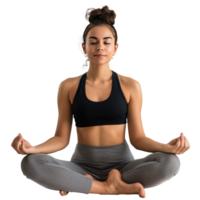
Sit cross‑legged (Sukhasana). Place hands on the knees, bring the fingertips of each hand together, and turn the palms outward so the fingers form an upward‑pointing triangle.
The triangle is a classic yantra symbol for upward energy flow. The hand position activates the somatosensory cortex, improving proprioception and grounding attention, which studies show enhances mindfulness and reduces anxiety.
Direct your gaze (softly) to the point about 12 cm above the space between the eyebrows – the Brahmarandhra (third‑eye center). Keep the focus steady.
Focusing on this spot engages the prefrontal cortex and the pineal gland region, fostering a state of “inner seeing.” Neuro‑imaging research links such focal attention to increased alpha brain‑wave activity, a marker of relaxed alertness.
Take a slow, diaphragmatic inhalation, visualising pure, luminous energy entering through the third eye and filling the body. Silently name the five visceral organs (heart, liver, spleen, lungs, kidneys) and their primary functions while the breath rises.
Diaphragmatic breathing stimulates the vagus nerve, lowering heart rate and blood pressure. Visualising organ function adds interoceptive awareness, which research shows improves autonomic regulation and emotional balance.
On each exhale, imagine the incoming light pushing out impurities, toxins, and emotional “clutter” through the breath. Feel the release travel down the spine and out of the body.
Exhalation activates the parasympathetic system, promoting lymphatic drainage and CO₂‑mediated vasodilation. Imagery of expulsion supports a “detox” mindset, which can enhance perceived wellbeing via the placebo effect.
After the first half‑set, pause and note any sensations of tightness, heaviness, or heat—these indicate where prana may be stagnant.
Body‑scan awareness is a core component of mindfulness‑based stress reduction (MBSR). Recognising subtle sensations improves somatic regulation and can reduce chronic pain perception.
Rub your hands vigorously to generate heat, then, while holding the mental image of prana concentrated in your palms, lightly tap (or “smack”) the identified areas. Visualise each tap flushing the pores with bright energy.
Gentle tapping stimulates mechanoreceptors, increasing local blood flow and activating the skin’s lymphatic pump. The mental focus on “prana” reinforces the mind‑body connection, which studies link to improved micro‑circulation.
Return to the breath cycle, again visualising cleansing energy moving through the whole body, now including the previously tapped zones.
Repeating the cycle consolidates the autonomic shift, deepening the relaxation response and solidifying the neural pathways associated with the cleansing imagery.
When the set finishes, sit quietly for a minute, then take a warm shower to rinse away any physical sweat and symbolically “seal” the energetic cleansing.
The shower provides a sensory cue that marks the end of the practice, helping the brain transition back to everyday activity. Warm water further promotes circulation and aids the removal of metabolic waste through the skin.
• Warm, private space → vasodilation & cortisol drop
• Upward‑triangle mudra → grounding & mindfulness
• Third‑eye focus → alpha‑wave calm
• Diaphragmatic breath + organ visualisation → vagal tone & interoception
• Exhale imagery → lymphatic flush
• Body‑scan → pain & tension awareness
• Hand‑tap → skin‑level circulation
• Shower → sensory closure & toxin rinse